
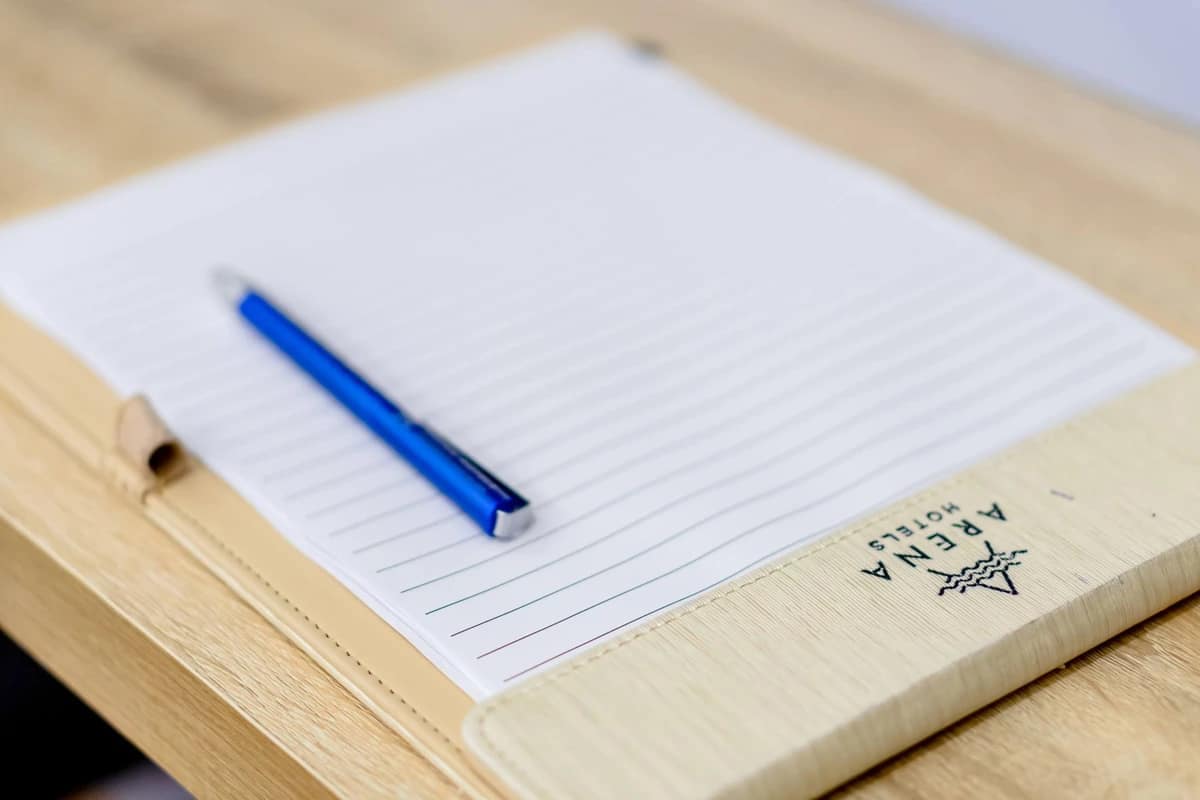
For journalling, start with one familiar instrumental recording at a comfortable background volume. Decide what you want to write before pressing play, then leave the playlist alone until you finish. If the music keeps interrupting your sentences, turn it down, choose a quieter recording or try writing without it.
You do not need a perfect soundtrack to begin. A short, repeatable setup can leave more of your attention for the page. The plan below is a practical listening idea, not a claim that a particular genre improves writing or produces a health benefit.
Choose the sound around the kind of writing
For a quick daily check-in, try one track you already know. For a longer reflective entry, choose several recordings with a similar feel so that you do not have to keep adjusting the volume or skipping surprises. If you are making lists or planning tomorrow, a more rhythmic selection may suit your preference. Personal taste matters more than finding a playlist labelled correctly.
There is no single journalling sound. Insight Timer’s journalling library, for example, includes piano, nature sounds and other instrumental options. That range is a useful reminder to listen to a sample rather than assume every recording with the same label will feel alike.
Use a two-minute distraction check
Open your notebook and write a few ordinary sentences while your chosen sample plays. Notice whether you keep following a lyric, anticipating a musical change or reaching for the volume. Those are clues about the fit for this session, not evidence that a style is universally distracting.
- If the words compete with yours: try a wordless recording.
- If a melody becomes the main event: choose something more familiar or less prominent.
- If the room feels too quiet: try a low musical background and reassess after a paragraph.
- If any audio feels like another demand: switch it off. Your journal does not need a soundtrack.
Keep the level comfortable enough that you do not feel surrounded by sound. Headphones are optional; a speaker can be simpler if you want to remain aware of the room.
A ten-minute journalling plan
Use a separate timer if a clear stopping point helps. Do not rely on a track’s title to tell you its actual length.
- First minute: arrive. Write the date and finish the sentence, “Today I am noticing…” Keep the answer as ordinary as you like.
- Next six minutes: follow one thread. Choose one question below. Keep writing without correcting every sentence or changing the music.
- Next two minutes: make it concrete. Underline one observation and write a small next step, something to remember, or something you can leave undecided.
- Final minute: close. Read your last few lines, stop the audio and put the notebook somewhere you can find it again.
Three prompts for a blank page
- What took more attention than I expected today?
- What small moment would I like to remember?
- What can wait until tomorrow, and what needs one clear next step?
You can write a few lines rather than fill a page. If a prompt feels too personal, describe what is around you, make a short list or choose a different subject. This is your notebook, not an assignment.
Make the next session easier
Save the recording you chose and leave the notebook ready. If you prefer to write away from a connection, our offline listening guide explains how to check that your downloaded files are actually stored on your device.
After two or three sessions, ask one practical question: did the setup make it easier to begin, or did choosing the music become another task? Keep what helped. For a broader quiet-time routine, see our weekly reset plan.
Our articles and music offer general information and personal listening ideas, not medical advice or treatment.