
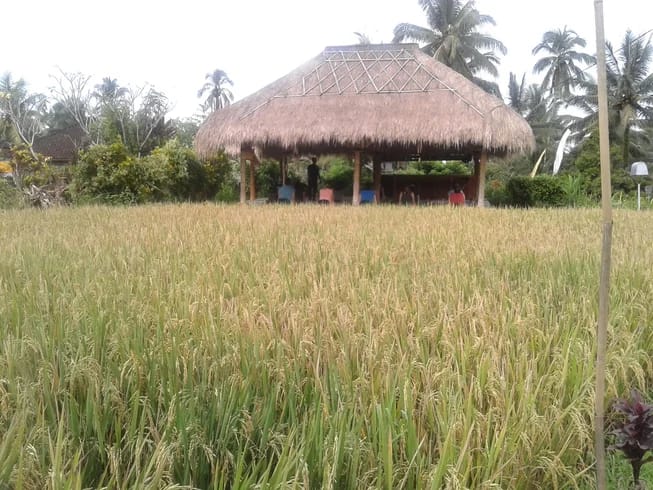
A first yoga and meditation retreat in Bali can sound inviting and a little uncertain. Will the classes suit a beginner? Will you have time to rest? Where will you actually sleep? The useful answers sit in the programme details, rather than the promise of a perfect escape.
This guide uses Baliuma Retreats’ three-day programme in Sesandan Megati, Tabanan, as a researched example. It combines yoga, meditation and village activities, with accommodation separate from the retreat centre. We have reviewed the organiser’s listing, not visited the retreat. Details below were checked on 13 October 2026; confirm your own dates and arrangements before paying.
Start with the experience you want
Write down what would make the trip worthwhile for you. Perhaps you want patient teaching, an introduction to meditation or a few days with a predictable routine. You may also want to learn about the place you are visiting. These priorities help you choose between programmes that look similar in photographs.
Baliuma’s listing identifies the course as beginner level, with instruction in English and a maximum group size of 15. It describes Balinese Watukaru yoga and meditation, alongside cultural activities. This is a structured, social programme. If you want long periods of silence or complete freedom over your day, ask how much participation is expected before deciding.
Our first meditation retreat guide offers a broader checklist for comparing teaching, accommodation and expectations.
Understand what three days includes
The advertised stay is three days and two nights. Arrival and departure days include activities, so it is not three full days of practice. The sample itinerary begins with arrival and lunch, followed by an afternoon class and an evening activity. The middle day includes morning and afternoon practice, meals and village activities. Departure follows the final day’s lunch.
The listed yoga and meditation sessions are around 90 minutes in the sample timetable. That does not tell you how much time is spent moving, sitting, listening or resting. Ask the host to explain the balance, whether breaks are welcome and how teachers adapt a session for someone completely new.
A beginner label is a helpful starting point, but your comfort matters more than keeping up. You can ask about chair options, props and alternatives to floor sitting. If you have an injury or a condition that affects movement, discuss suitable participation with the teacher and, where appropriate, your healthcare professional.
Your room is separate from the practice space
This is a practical detail worth noticing early. The listing says guests stay in homestays or guest houses across Sesandan Megati village. These accommodations are separate from the centre used for yoga, dining and activities. It estimates about five minutes by vehicle or ten minutes on foot and says shuttle services connect the two.
A homestay is described as accommodation in a local family home. A guest house offers a more separate setting. Shared and private room packages appear in the booking options. The name of a room category alone does not establish its exact facilities, location or atmosphere.
- Ask for the name, address and current photographs of your assigned accommodation.
- Confirm whether the bathroom is private or shared and which facilities your particular room includes.
- Check shuttle times, evening transport and whether rides are included in your package.
- Ask about the walking route, lighting and access if uneven paths or steps could be difficult.
If an on-site room is essential to you, say so before booking. Do not assume that a photograph of the pavilion also shows the place where you will sleep.
Village activities change with the day
The programme includes cultural activities as well as practice. Its weekly schedule gives examples such as Balinese music or language lessons, offering making, cooking, coconut oil making, dance and walks around the village or rice fields. Beach yoga and a waterfall visit also feature in the listing.
Your arrival day affects which activities overlap with a two-night stay. Weather, host availability and the people attending can also change the timetable. For example, the published weekly schedule places beach outings on certain mornings and makes them weather dependent. Ask which excursions are expected during your dates rather than assuming every example will happen.
Approach cultural participation with curiosity and respect. Ask your hosts about clothing, photography and behaviour during activities with religious significance. If you prefer to observe rather than take part in a particular ritual, discuss that beforehand. A clear conversation is more useful than guessing what will feel comfortable once you arrive.
Compare the complete cost
The current listing includes two nights’ accommodation, scheduled practice and activities, meals, tea, coffee, water and a 30-minute massage. It lists breakfast, lunch and dinner, with vegetarian, vegan and regular meal options. Tell the organiser about allergies or other dietary needs and request confirmation that they can accommodate them.
Flights, visas, insurance, personal expenses and requested extras are listed separately. Airport transfers are available at an additional charge. Ask for a written total that covers your chosen room, arrival and return transfers, any extra nights and the activities you intend to add.
Also read the cancellation terms. At the time of checking, the listing required a 30% deposit and described it as non-refundable if the booking is cancelled, with the balance paid on arrival. Recheck those terms for your reservation and consider what happens if a flight changes. A low headline price is only one part of deciding whether a stay fits your budget.
Give the journey enough breathing room
Baliuma places the retreat in the Tabanan area and estimates roughly two and a half hours from Ngurah Rai International Airport. Treat this as an estimate, not a guaranteed transfer time. Ask the host what is realistic for your arrival, including delays, and how late check-in affects the first day’s programme.
When comparing a short retreat with a longer stay, include the journey on both sides. A late arrival followed by an early departure can leave little time to settle. Our weekend versus weeklong retreat guide helps you weigh travel time against the daily schedule.
Six questions to send before booking
- What does a beginner session involve, and can I rest or modify the practice?
- Which accommodation and room will I receive, and what are its facilities?
- How do the shuttles work, including after dinner?
- Which cultural activities and excursions are planned for my dates?
- What is the full price, including transfers and any extras?
- What are the deposit, cancellation and arrival arrangements?
Save the replies alongside your booking details. Clear answers give you a better basis for choosing than trying to interpret a beautiful photograph. You do not need to arrive with an advanced practice or a promise to change your life. A suitable first retreat can simply give you time to learn, notice what you enjoy and decide what you would like to continue at home.
Explore Baliuma’s programme, current dates and availability, then ask the organiser about the details that matter to you.
Affiliate disclosure: This article contains an affiliate link to BookYogaRetreats. If you book through it, So Hum Collective may earn a commission at no extra cost to you.